Manufacturing and logistics teams work with constant movement: orders, materials, equipment, schedules, warehouses, suppliers, and delivery routes. When this information is scattered across spreadsheets, emails, and disconnected systems, managers lose visibility. Industry 4.0 is changing that by turning operations into structured data.
Why ERP still matters
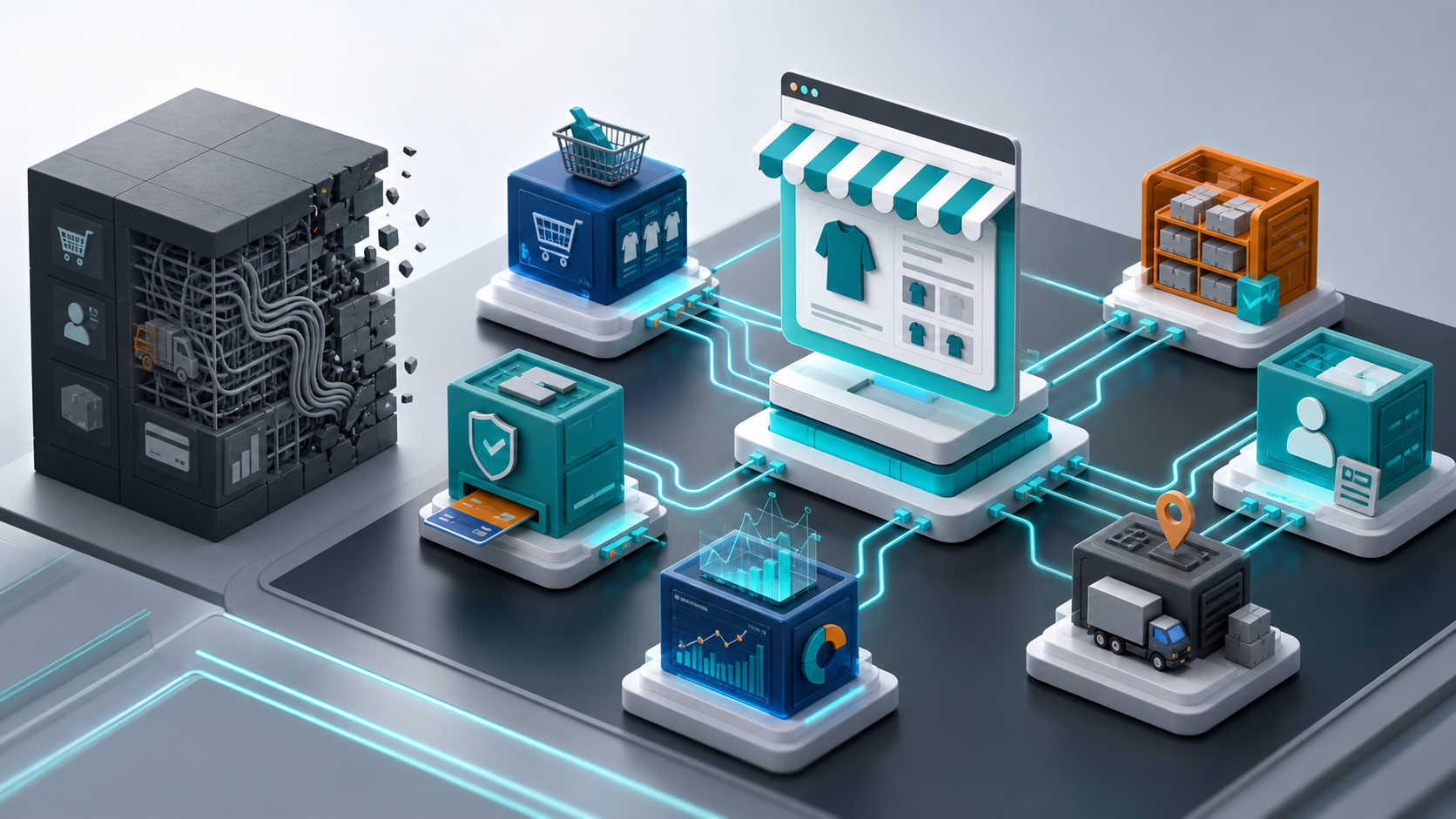
ERP software gives companies a central operating layer for production planning, procurement, inventory, finance, and fulfillment. It helps teams replace manual coordination with consistent workflows. The value is not only automation. It is a shared source of truth.
For manufacturing companies, ERP becomes more powerful when it connects to machines, warehouses, CRM, accounting, logistics providers, and analytics systems. This requires careful API integrations and a clear data model.
Dashboards turn data into decisions
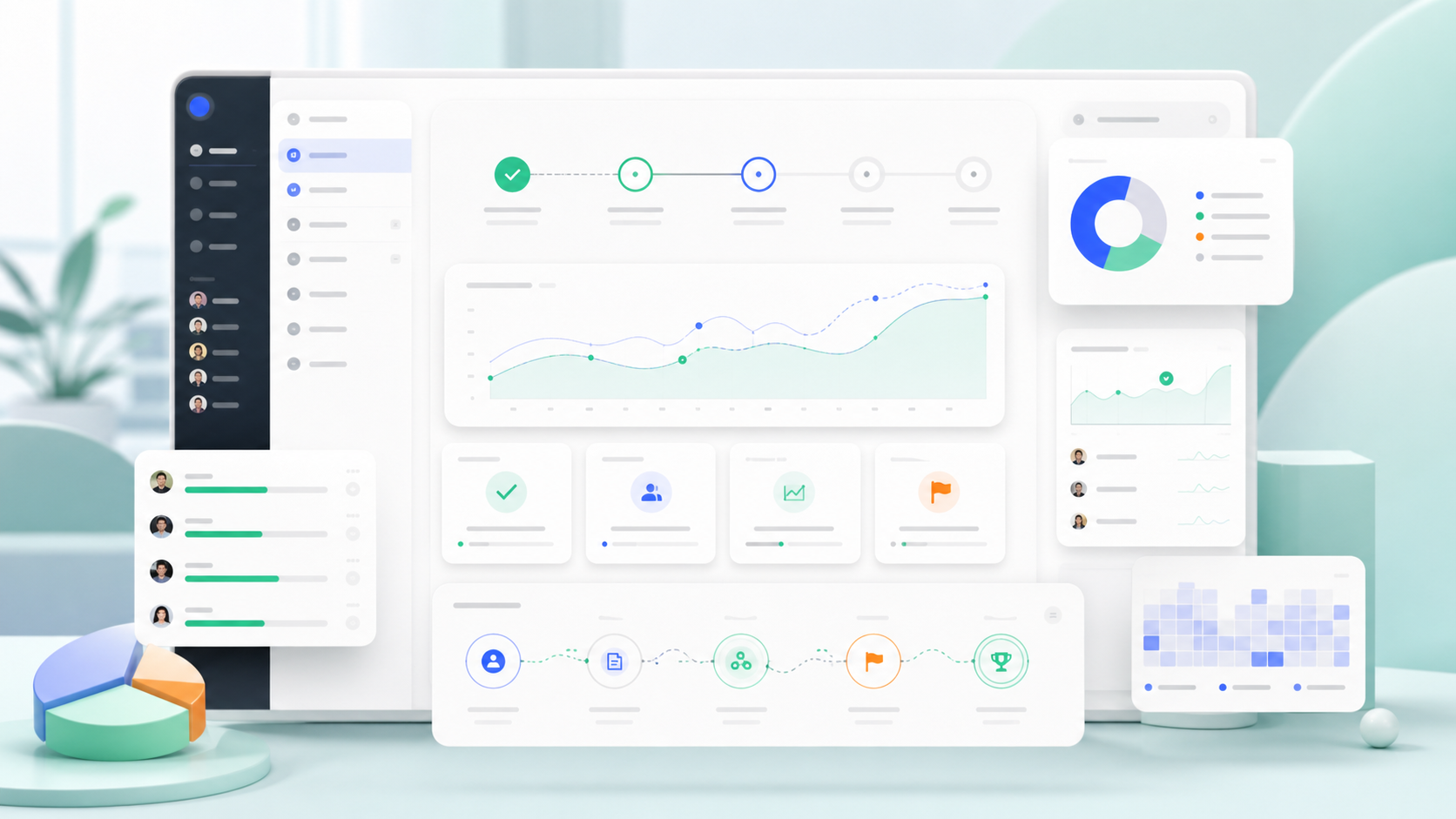
Raw operational data is not enough. Managers need dashboards that answer practical questions: Which orders are at risk? Where is inventory blocked? Which production line is underperforming? How accurate are delivery estimates? Which customers or SKUs create the most pressure?
This is where business intelligence supports daily decisions. BI dashboards can combine ERP, warehouse, sales, and logistics data into clear operational views.
A realistic Industry 4.0 roadmap
Industry 4.0 should not start with technology for its own sake. It should start with a business process that needs better control: production planning, warehouse management, transport coordination, document flow, or demand forecasting.
For production and logistics companies, a practical roadmap combines digital transformation consulting, ERP architecture, integrations, and dashboards. The result is a system that helps managers act earlier instead of reacting after problems become expensive.